
Achieving Precision in Concrete Finishing with Controlled Vibration
Evaluating the effect of vibration parameters on concrete finishing to optimize frequency and amplitude for smoother, stronger structural finishes.
Overview & Objective
Concrete surface quality plays a crucial role in durability, aesthetics, and structural integrity. At SB Formwork & Scaffolding, we conducted a comparative study to evaluate the effect of vibration parameters on concrete finishing.
Objective: To analyze how different vibration techniques impact surface quality, compaction, and overall durability of concrete.
Methodology
- Comparative Analysis: Concrete panels were subjected to different vibration intensities.
- Observation: Surface quality was meticulously compared before and after vibration application.
- Equipment Used: EKCA Concrete Finishing Device (specifications optimized for high-performance finishing).
Key Findings
1. Vibration Parameters
- Frequency (50–60 Hz): Effectively prevented material segregation and ensured concrete uniformity throughout the pour.
- Amplitude (1.5–2 mm): Optimized compaction reaching up to a 30 cm depth, removing trapped air pockets.
2. Surface Finish Impact
- Top Layers: Required highly controlled vibration to avoid surface imperfections and bleeding.
- Bottom Layers: Showed significantly denser compaction due to the combined effects of gravity and vibration efficiency.
Visual Results: The Impact of Vibration
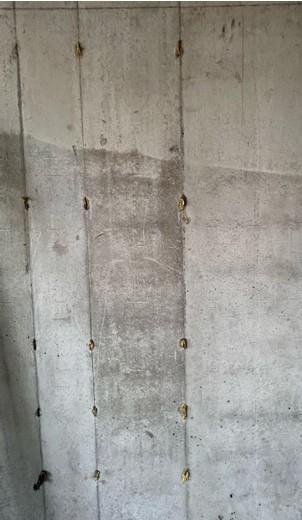
Uneven & Marked

Smooth & Defect-Free
Conclusion
The study clearly demonstrates that vibration intensity directly influences concrete strength and finish. Controlled vibration not only improves compaction but also ensures a uniform, defect-free surface.
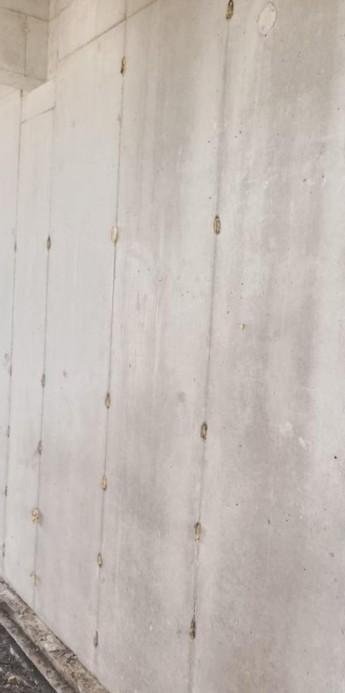
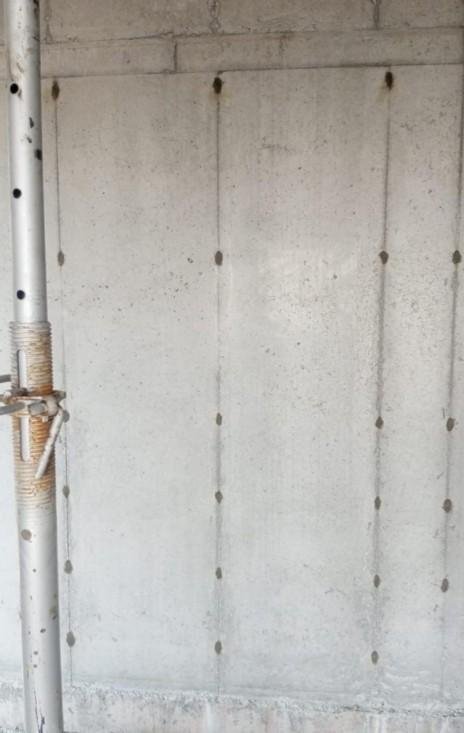
Testing & Execution Gallery

Engineered for Structural Excellence
SB Formwork & Scaffolding | Precision Concrete Solutions